
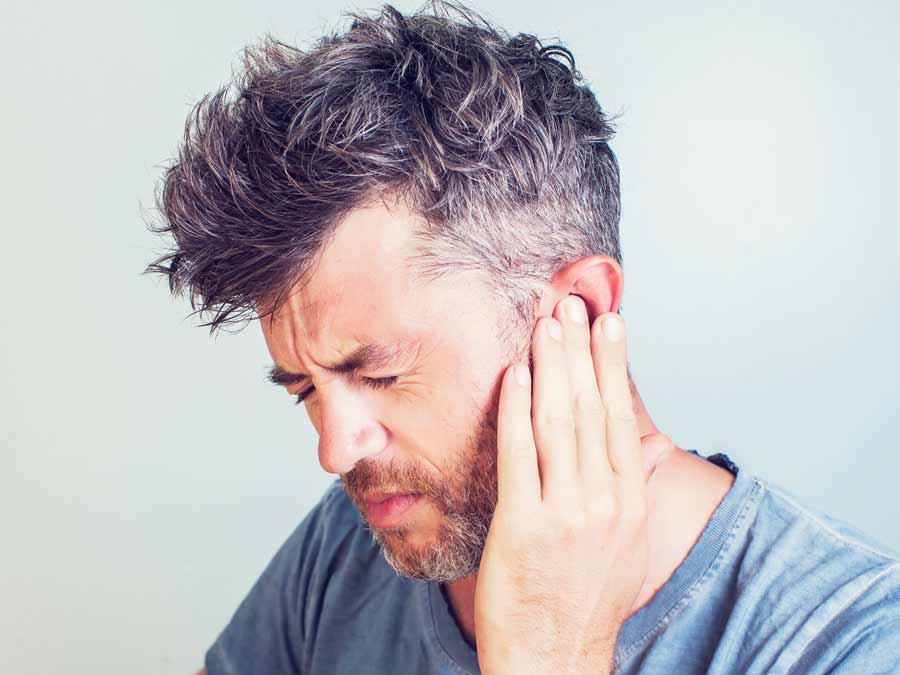
July is the peak of the summer holiday season, with millions of us packing our bags and heading to the airport for a well-deserved break. While you’ve likely remembered your passport, sunscreen, and travel insurance, there is one critical aspect of travel preparation that many people completely overlook: their ear health.
If you have ever experienced that intense, sharp pain or a muffled, blocked sensation in your ears during takeoff or landing, you’ve felt the effects of “airplane ear”. Understanding why this happens—and how to protect your hearing while traveling—can mean the difference between a dream getaway and a holiday ruined by ear discomfort.
The Science Behind the “Pop”
Deep inside your middle ear is a small pocket of air. This pocket is connected to the back of your nose and throat by a tiny channel called the Eustachian tube. Its primary job is to equalise the air pressure inside your ear with the atmospheric pressure of the world outside.
When an airplane climbs or descends rapidly, the atmospheric pressure in the cabin changes at a speed your Eustachian tubes can struggle to keep up with. This imbalance stretches the delicate tympanic membrane (your eardrum), causing that uncomfortable sensation of pressure, fullness, or acute pain.
Top Tips for Smooth Flying This Summer
Fortunately, you can take several simple, practical steps to help your ears adapt to changing cabin pressures:
- Swallow, Yawn, or Chew: The motion of swallowing or yawning naturally activates the muscles that open your Eustachian tubes, allowing air to escape or enter the middle ear. Chewing gum or sucking on hard sweets during takeoff and descent is an excellent way to keep this mechanism working.
- The Valsalva Manoeuvre: Gently pinch your nostrils shut, take a breath, and blow softly out of your nose with your mouth closed, as if you were blowing into a tissue. This gently forces air up the Eustachian tubes to relieve the vacuum pressure.
- Stay Awake During Descent: Avoid sleeping when the captain announces the aircraft is beginning its descent. If you are asleep, you won’t be actively swallowing or equalising your pressure, which can lead to severe blockages upon landing.
The Hidden Flight Hazard: Compacted Ear Wax
There is one major underlying factor that makes airplane ear significantly worse: built-in ear wax. If you already have a partial build-up of wax in your ear canal, the rapid pressure shifts during a flight can cause that wax to compact tightly against your eardrum, leading to a sudden, painful, and stubborn blockage that can ruin your hearing for the first few days of your holiday.
Before you head to the airport this July, consider booking a professional health check. At Amplify Hearing, our independent audiology partners can look directly into your ear canal using video otoscopy. If they spot a build-up, they can safely and gently clear it using microsuction—giving you total peace of mind and clear, comfortable hearing for the journey ahead.

Contact us
Have any questions about this or any other hearing care issue? We have over 400 practices across the UK, with a growing network and more practices opening all the time.
Find your nearest Amplify Hearing practice and arrange to talk to your local team of independent hearing care experts, or to arrange an appointment with one of our fully HPC registered and qualified audiologists.
Click the button below to get started.