
Hearing loss often develops gradually, so the people closest to someone may notice the signs before they do.
Starting a conversation about hearing can feel difficult. Some people worry about what hearing loss means or hold outdated ideas about hearing aids. A calm, patient and supportive approach can help them take the next step in their own time.

Hearing loss is common
Hearing loss can affect people of any age, although it becomes more common as we grow older. It can be caused by ageing, exposure to loud noise, genetics, ear conditions, certain medications and several other factors.
It is not an inevitable part of ageing, and not every hearing change is permanent. Some causes such as impacted ear wax or an infection may be treatable. A professional assessment is the best way to understand what is happening.
Signs someone may have hearing loss
You may notice that they:
- Frequently ask people to repeat themselves
- Say that other people are mumbling
- Find conversations difficult when several people are speaking
- Struggle to follow speech in restaurants or other noisy places
- Turn the television or radio up more than before
- Have difficulty hearing on the telephone
- Miss the doorbell, telephone or other everyday sounds
- Have difficulty identifying where sounds come from
- Watch people’s faces closely to follow conversations
- Seem tired after concentrating on listening
- Become quieter or withdraw from social situations
- Experience ringing, buzzing or other sounds in their ears
One sign on its own does not confirm hearing loss. A hearing assessment can establish whether a change is present and help identify the appropriate next step.

How to start the conversation
Choose a quiet, private moment when neither of you feels rushed or frustrated. Raising the subject immediately after a misunderstanding can make the conversation feel like criticism.
Try using gentle, personal language:
- “I’ve noticed that conversations seem harder when we’re somewhere noisy.”
- “I wondered whether you’ve noticed any change in your hearing.”
- “Would you consider having your hearing checked, just so we understand what’s happening?”
Use specific examples rather than general statements such as “You never listen” or “You can’t hear anything.”
Give them time to explain how they feel. They may be concerned about appearance, cost, independence or what a hearing test could reveal. Listen without dismissing those concerns or pressuring them to make an immediate decision.
Focus on what better hearing could make easier
Rather than concentrating only on what is wrong, talk about the situations they might enjoy more with appropriate support, such as:
- Following family conversations
- Hearing the television comfortably
- Talking on the phone
- Feeling more confident in restaurants
- Taking part in meetings or social activities
- Hearing important sounds when out and about
A hearing test does not commit anyone to buying hearing aids. It simply provides information and professional advice.

Make conversations easier
Small changes can make an immediate difference.
Get their attention first
Say their name, wave gently or lightly touch their arm before speaking. Make sure they are looking towards you and are ready to listen.
Face them clearly
Keep your face visible and well lit. Avoid speaking from another room or while covering your mouth, eating or looking away.
Speak naturally
Speak clearly at a natural pace. Shouting can distort speech and may feel uncomfortable, particularly if the person is sensitive to loud sounds.
Reduce background noise
Turn down the television or music and move away from competing noise where possible. In restaurants or cafés, choose a quieter table with good lighting.
Rephrase instead of simply repeating
If a sentence is not understood, try expressing it in a different way. Changing one or two words can make the meaning easier to recognise.
Take turns in groups
Encourage one person to speak at a time. Make sure the person with hearing loss can see whoever is talking and bring them back into the conversation if they appear to have missed something.
Check understanding respectfully
For important details such as appointment times, medication instructions or travel arrangements, write the information down or send it in a message.
Above all, be patient. Listening with hearing loss can require considerable concentration and may become tiring.
Encourage them without applying pressure
You can help by:
- Finding clear, reliable information together
- Helping locate a nearby audiologist
- Offering to arrange the appointment, with their permission
- Accompanying them if they would value your support
- Writing down questions they want to ask
- Reassuring them that modern hearing aids come in many discreet styles
- Allowing them to make their own decisions
Avoid turning every misunderstanding into a reminder about their hearing. Repeated correction can create embarrassment and make someone more reluctant to seek help.
Going to the appointment together
Friends and family are welcome at Amplify Hearing appointments.
Someone familiar can offer reassurance, describe hearing challenges noticed at home and help remember the information discussed. They may also be able to take part in demonstrations using a familiar voice.
The person having the assessment remains at the centre of every conversation and decision.

Benefits of a hearing assessment
A hearing assessment can:
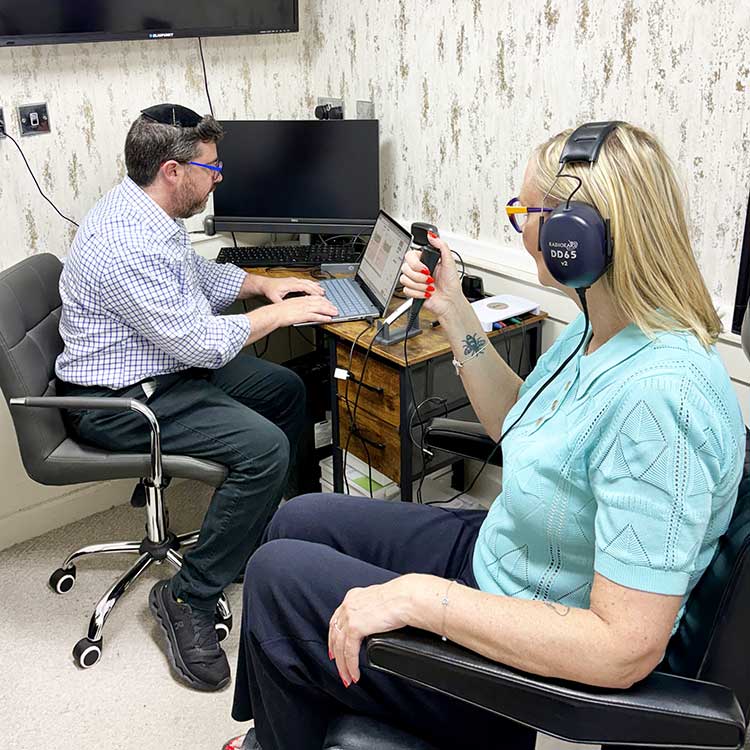
- Identify whether hearing loss is present
- Show whether one or both ears are affected
- Help determine the type and level of hearing loss
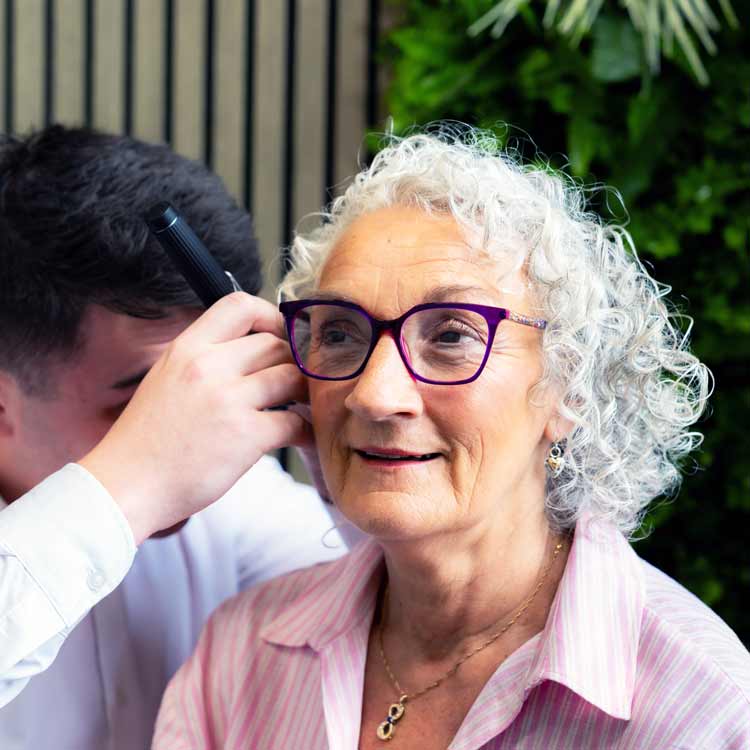
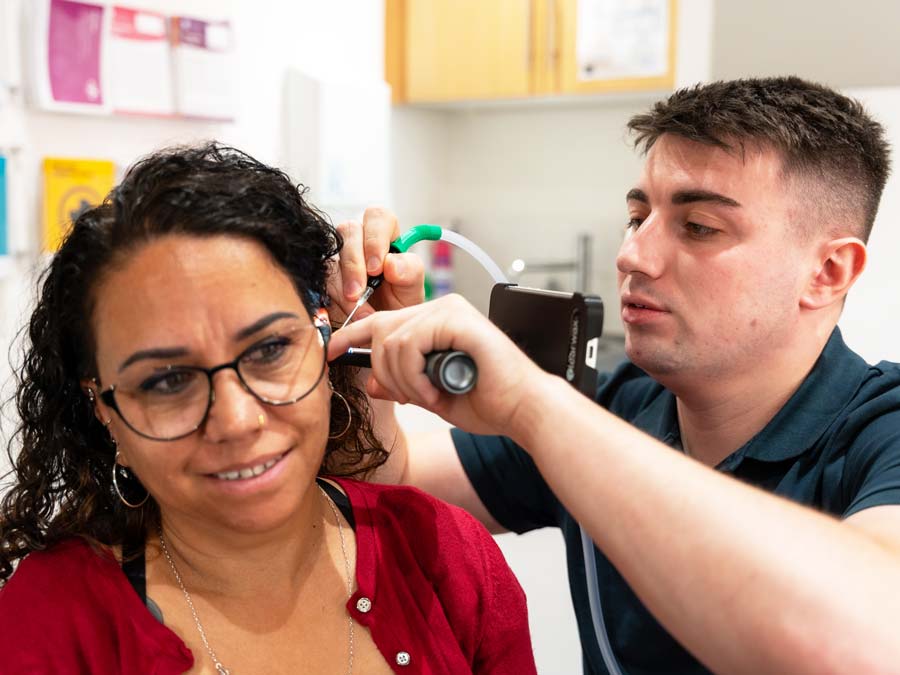
- Identify visible issues such as excess earwax
- Establish a baseline for monitoring future changes
- Explain whether hearing aids or another solution may help
- Identify when further medical investigation is advisable
Some causes of hearing loss can be treated, while permanent hearing loss can often be managed effectively. Hearing aids do not restore completely natural hearing, but appropriately selected and fitted devices may make speech clearer and everyday communication easier.
Hearing loss and wellbeing
Unaddressed hearing loss can make communication more demanding. Some people begin avoiding conversations or social situations because listening has become difficult or tiring.
Hearing loss is associated with loneliness, social isolation and poorer quality of life. Helping someone remain included and encouraging them to seek professional advice can support their confidence, independence and connection with others. These associations are recognised by the World Health Organization.

What about hearing loss and dementia?
Research has found an association between hearing loss and an increased risk of cognitive decline and dementia. However, an association does not mean that hearing loss directly causes dementia.
Early research suggests that hearing support may help some people, particularly older adults already at greater risk of cognitive decline. It has not been established that hearing aids prevent dementia or Alzheimer’s disease.
The clearest established benefits of hearing aids are improved access to sound, easier communication and greater participation in everyday life.
When not to wait for a routine hearing test
Ask for an urgent GP appointment or contact NHS 111 if someone experiences:
- Sudden hearing loss in one or both ears
- Hearing that becomes noticeably worse over several days or weeks
- Hearing loss accompanied by earache or discharge
These symptoms may require prompt medical assessment. See the latest NHS hearing-loss guidance.


Find your local practice
We have over 480 practices across the UK, with a growing network and more practices opening all the time.
Find your nearest Amplify Hearing practice and arrange to see your local independent, qualified audiologist. Our hearing care professionals will build a relationship with you, taking the time to make sure you get the very best advice and the most from your hearing aids. When we talk through your hearing options with you, you’re guaranteed to receive unbiased hearing advice you can trust.