
Tinnitus is the name for hearing sounds that are not coming from an outside source. It may be heard in one ear, both ears or somewhere inside your head, and it can be continuous or come and go.
Tinnitus is a symptom rather than a disease. It is very common: around 30% of people experience it at some point, while approximately one in seven UK adults lives with persistent tinnitus.
For many people, tinnitus is temporary or becomes less noticeable over time. However, it can sometimes affect sleep, concentration and emotional wellbeing. The reassuring news is that support and management strategies are available.

What does tinnitus sound like?
People experience tinnitus differently. It may sound like:
Ringing | Buzzing | Hissing | Humming | Whooshing | Whistling | Throbbing
Some people hear music or singing, while others experience pulsatile tinnitus—a rhythmic sound that beats in time with their pulse.
When to seek medical help
Tinnitus is not usually a sign of anything serious, but certain symptoms need prompt medical attention.
Ask for an urgent GP appointment if your tinnitus beats in time with your pulse.
Go to A&E or call 999 if tinnitus:
- Starts after a head injury
- Occurs with sudden hearing loss
- Occurs with weakness in the muscles of your face
- Occurs with a severe spinning sensation or vertigo
You should also speak to your GP if your tinnitus is persistent, is only in one ear, is getting worse or is significantly affecting your sleep, concentration or emotional wellbeing.
If tinnitus is causing severe distress or making you feel unable to cope, seek urgent help through NHS 111. Call 999 or go to A&E if you feel you may be in immediate danger.
What causes tinnitus?
There is not always one identifiable cause. Tinnitus is commonly associated with hearing loss and changes in the way the ear and brain process sound.
Possible causes and contributing factors include:
- Age-related or noise-related hearing loss
- Exposure to loud music or workplace noise
- A build-up of ear wax
- An ear infection
- Ménière’s disease and some other ear conditions
- An injury to the head or neck
- Certain medicines
- Some underlying health conditions
Tinnitus may also occur in people whose hearing appears normal.
If you think a medicine may be affecting your tinnitus, speak to your GP or pharmacist. Do not stop taking prescribed medication without professional advice.
How tinnitus is assessed
A tinnitus and hearing assessment can help identify hearing loss or other factors that may be contributing to your symptoms.
Your hearing care professional may:
- Ask when your tinnitus started and how it affects you
- Discuss your hearing and medical history
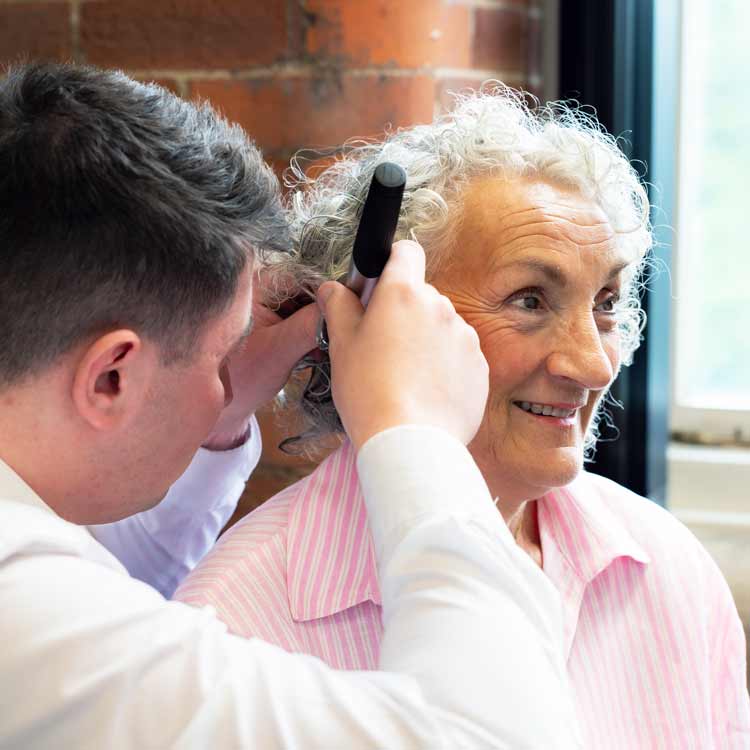
- Examine your ears for wax, infection or other visible concerns
- Carry out a comprehensive hearing assessment
- Explain suitable management options
- Recommend a medical referral where appropriate
An audiologist cannot always identify the underlying cause of tinnitus, but they can assess your hearing, offer appropriate support and recognise when further medical investigation may be needed.

Tinnitus treatment and management
There is currently no single treatment that cures every type of tinnitus. However, treating an underlying cause and using personalised management strategies can make it considerably less noticeable or distressing.
Treating an underlying cause
If tinnitus is related to an earwax blockage or ear infection, treating that problem may reduce or resolve the symptoms. Earwax should be assessed and removed by an appropriately trained professional when necessary.
Hearing aids
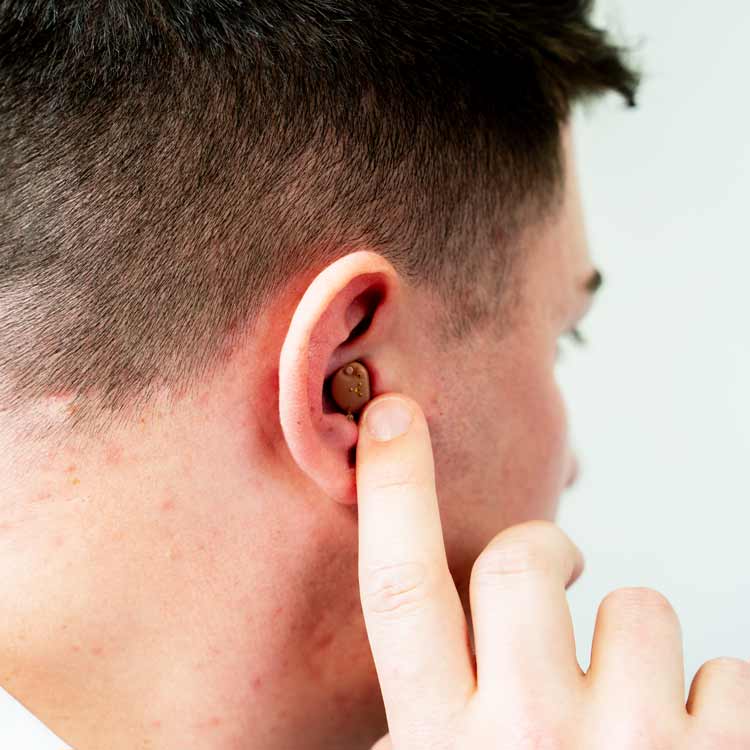
Tinnitus and hearing loss often occur together. If your assessment identifies hearing loss, properly fitted hearing aids may help by making speech and everyday sounds easier to hear. Greater access to surrounding sound can also make tinnitus less prominent.
Some hearing aids include optional tinnitus-support sounds, although these will not suit everyone. Your audiologist can advise whether amplification or a combination device is appropriate for you.
Sound enrichment
Gentle background sound can make tinnitus less noticeable, particularly in quiet surroundings or at bedtime. You could try:
- Soft music or the radio
- Natural sounds such as rainfall or waves
- A bedside sound generator
- A tinnitus or relaxation app
- A fan or other quiet household sound
The aim does not have to be to drown out tinnitus completely. Many people find that low-level, pleasant sound helps reduce the contrast between their tinnitus and a silent environment.
Tinnitus-focused therapy
If tinnitus is affecting your quality of life, tinnitus counselling or psychological therapies may help you change how you respond to it.
Cognitive behavioural therapy, commonly known as CBT, can be particularly helpful for tinnitus-related distress. Other professionally delivered approaches may include mindfulness-based cognitive therapy or acceptance and commitment therapy.
Sleep, stress and relaxation
Stress and tiredness can make tinnitus feel more intrusive. It may help to:
- Maintain a regular bedtime routine
- Avoid complete silence when trying to sleep
- Reduce caffeine later in the day
- Practise breathing exercises, relaxation, meditation or gentle yoga
- Stay active and continue with hobbies and social activities
- Talk to someone about how tinnitus is affecting you
Protect your hearing when you are exposed to genuinely loud noise, but seek professional advice before using hearing protection routinely in ordinary, safe environments.

Support from Tinnitus UK
Tinnitus UK provides reliable information, a confidential support service and access to online and local tinnitus support groups.
Its resources include practical advice about relaxation, sleep, hearing aids, sound enrichment and living well with tinnitus.
How Amplify Hearing can help
If you have stable tinnitus or have noticed a change in your hearing, an Amplify Hearing audiologist can examine your ears, assess your hearing and discuss how your symptoms are affecting you.
If hearing loss is present, we can explain whether hearing aids may help. If your symptoms need medical investigation or specialist tinnitus support, we will advise you on the appropriate next step.
Book an appointment with your local Amplify Hearing professional for personalised tinnitus and hearing advice.


Find your local practice
We have over 480 practices across the UK, with a growing network and more practices opening all the time.
Find your nearest Amplify Hearing practice and arrange to see your local independent, qualified audiologist. Our hearing care professionals will build a relationship with you, taking the time to make sure you get the very best advice and the most from your hearing aids. When we talk through your hearing options with you, you’re guaranteed to receive unbiased hearing advice you can trust.