
Hearing loss is not simply an inevitable part of getting older. Although it becomes more common with age, it can affect anyone and may be caused by noise exposure, earwax, infection, injury, certain medicines, inherited factors or an underlying health condition.
Because hearing can change gradually, you may not notice what you are missing. A professional hearing assessment provides a clear picture of your current hearing and helps you take action when it could make the greatest difference.
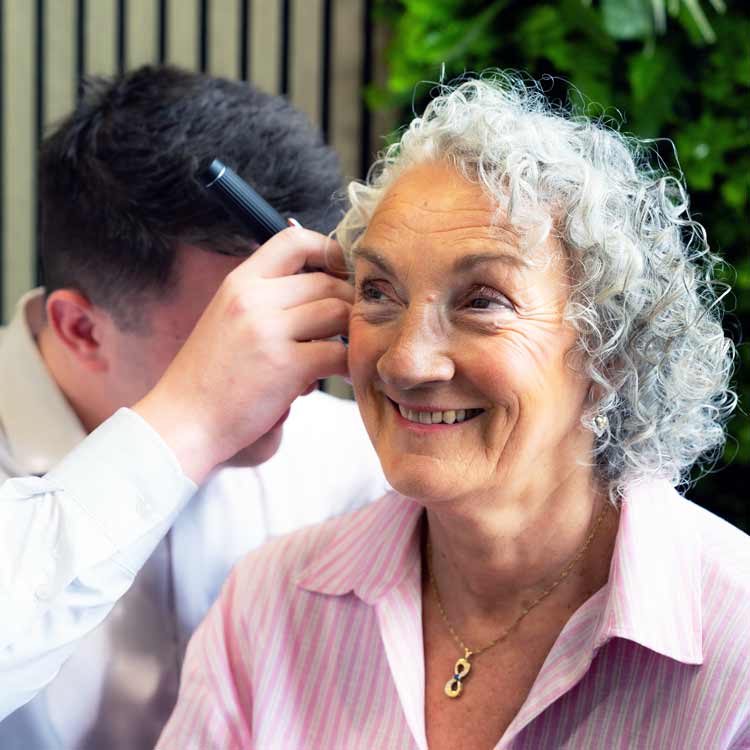
Hearing loss is more common than you may think
According to current RNID hearing-loss statistics:
- More than 12 million people in the UK are deaf or have hearing loss
- More than half of people aged 55 or over have hearing loss
- Almost 80% of people over 70 have hearing loss
- Around 2.4 million people have hearing loss that makes most conversational speech difficult to hear
- More than 7 million UK adults experience tinnitus
These figures use different definitions and should not be added together, as many people with hearing loss also experience tinnitus.
When should you have a hearing test?
It is worth having your hearing checked if you have noticed a change, regardless of your age. A hearing assessment is also useful as a baseline against which future changes can be compared.
At Amplify Hearing, a hearing test is free if you are aged 55 or over. If you are under 55 and experiencing hearing difficulties, we will begin with a hearing health check to determine whether you need a more comprehensive assessment or medical referral.
Your audiologist will recommend how frequently your hearing should be reviewed based on your results, age, medical history and exposure to noise.

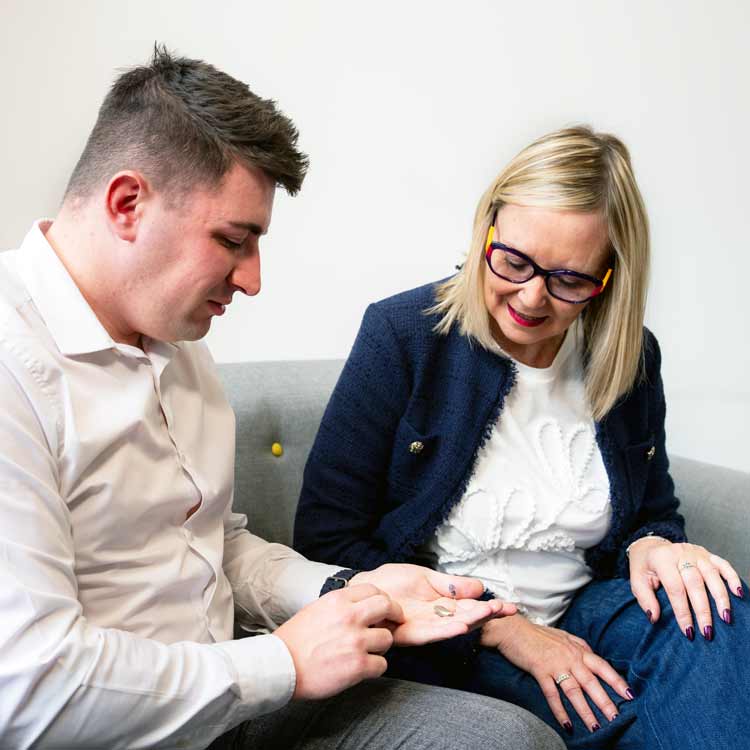
Signs that your hearing may have changed
Hearing loss is often gradual, so family and friends may notice the signs before you do. You may benefit from a hearing assessment if:
- People frequently seem to mumble
- You ask people to repeat themselves
- Speech is difficult to follow in restaurants or other noisy places
- You struggle to keep up with group conversations
- You turn the television or radio up more than other people prefer
- Telephone conversations are becoming unclear
- You miss the doorbell, alarms or approaching vehicles
- You find listening unusually tiring or stressful
- You rely more heavily on watching someone’s face when they speak
- You hear ringing, buzzing or other sounds that have no external source
- Friends or relatives have commented on your hearing
Even mild hearing loss can require extra listening effort, particularly where several people are talking or there is background noise.
Common causes of hearing loss
Hearing loss may be temporary or permanent. Possible causes include:
- Age-related changes within the inner ear
- Repeated or sudden exposure to loud sound
- Impacted ear wax
- Ear infections
- A perforated eardrum
- Injury to the ear or head
- Genetic or inherited conditions
- Certain medicines
- Ménière’s disease and other ear conditions
- An underlying medical condition
Tinnitus is not itself a cause of hearing loss, but the two commonly occur together.
Do not attempt to diagnose the cause yourself or stop taking prescribed medicine without speaking to your GP or pharmacist.

When to seek urgent medical help
A routine hearing appointment is not appropriate for every change in hearing.
Ask for an urgent GP appointment or contact NHS 111 if:
- You suddenly lose hearing in one or both ears
- Your hearing becomes noticeably worse over a few days or weeks
- Hearing loss occurs with earache or discharge from your ear
You should also seek medical advice if hearing has changed significantly in one ear, or if you experience persistent dizziness, facial weakness or tinnitus that beats in time with your pulse.
Prompt assessment can be important because some causes of sudden or rapidly worsening hearing loss need to be treated quickly. Read the current NHS guidance on hearing loss.
What happens during a hearing assessment?
Your appointment will usually include:
- A conversation about your hearing, health and lifestyle
- A discussion about the situations in which you find hearing difficult
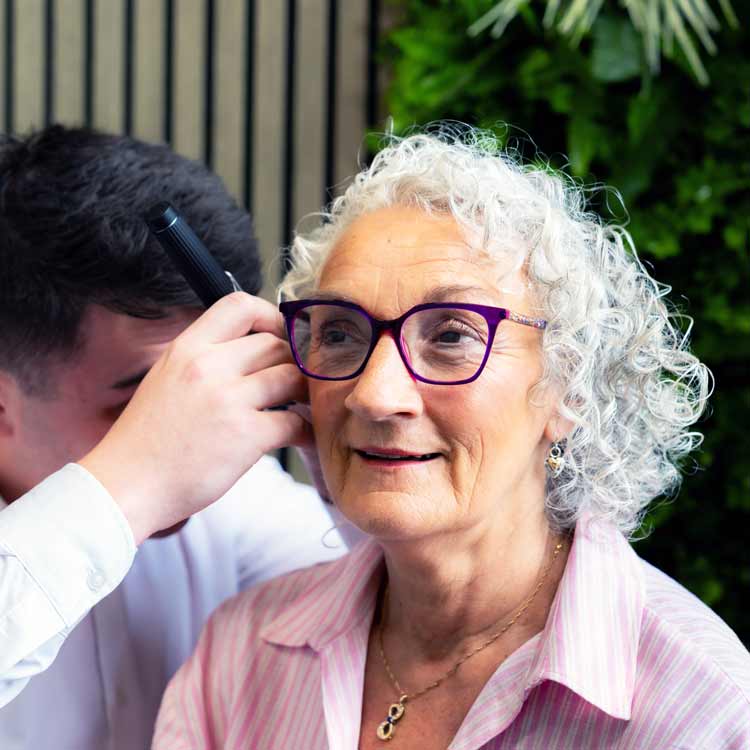
- An examination of your ear canals and eardrums
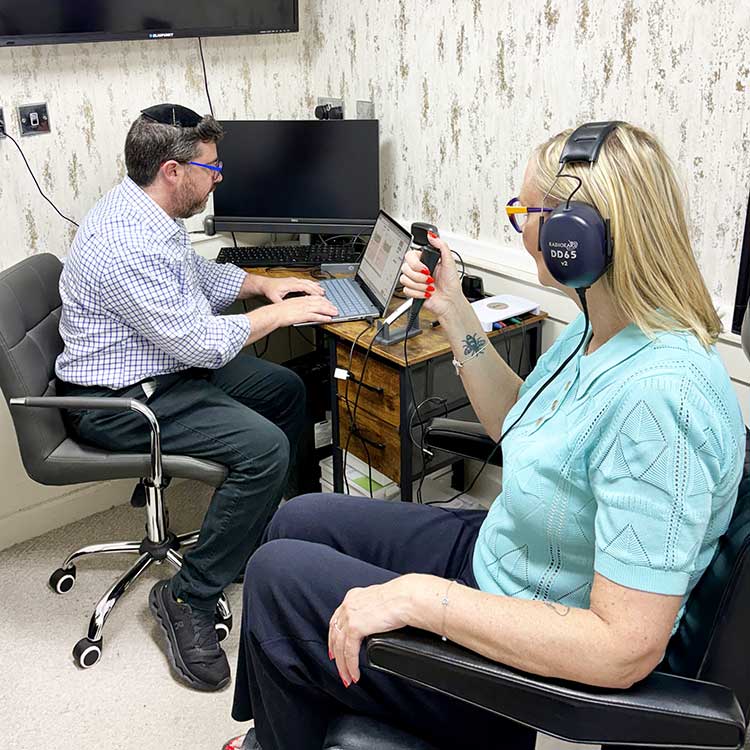
- Tests to measure the quietest sounds you can hear at different pitches
- Additional speech or middle-ear tests where appropriate
- A clear explanation of your results
- Personalised recommendations and suitable next steps
A hearing assessment can identify whether hearing loss is present and indicate its type and extent. It may also reveal visible problems such as impacted ear wax or signs that need further investigation.
An audiologist cannot diagnose every underlying medical cause. If anything requires medical or specialist attention, they will explain the appropriate next step.
The benefits of checking your hearing
A professional hearing assessment can:
- Establish an accurate baseline for your hearing
- Identify gradual changes that may have gone unnoticed
- Help explain why particular listening situations are difficult
- Detect ear wax or other visible ear-health concerns
- Determine whether hearing aids or another solution may help
- Provide communication and hearing-protection advice
- Identify when a GP or specialist referral is needed
- Help you remain confident and involved in conversations
Permanent hearing loss cannot normally be reversed, but it can often be managed successfully. Early support can minimise its effect on communication, relationships, work and quality of life.

Hearing loss left untreated
Unaddressed hearing loss can make conversations exhausting and may cause people to withdraw from social activities. This can contribute to loneliness, reduced confidence and poorer wellbeing.
People sometimes adapt gradually by increasing the television volume, avoiding busy places or relying on others to help with conversations. These coping strategies can make hearing loss easier to overlook.
You do not need to wait until hearing becomes a major difficulty. Understanding your hearing now gives you more time to consider your options and find the support that works for you.

Find your local practice
We have over 480 practices across the UK, with a growing network and more practices opening all the time.
Find your nearest Amplify Hearing practice and arrange to see your local independent, qualified audiologist. Our hearing care professionals will build a relationship with you, taking the time to make sure you get the very best advice and the most from your hearing aids. When we talk through your hearing options with you, you’re guaranteed to receive unbiased hearing advice you can trust.